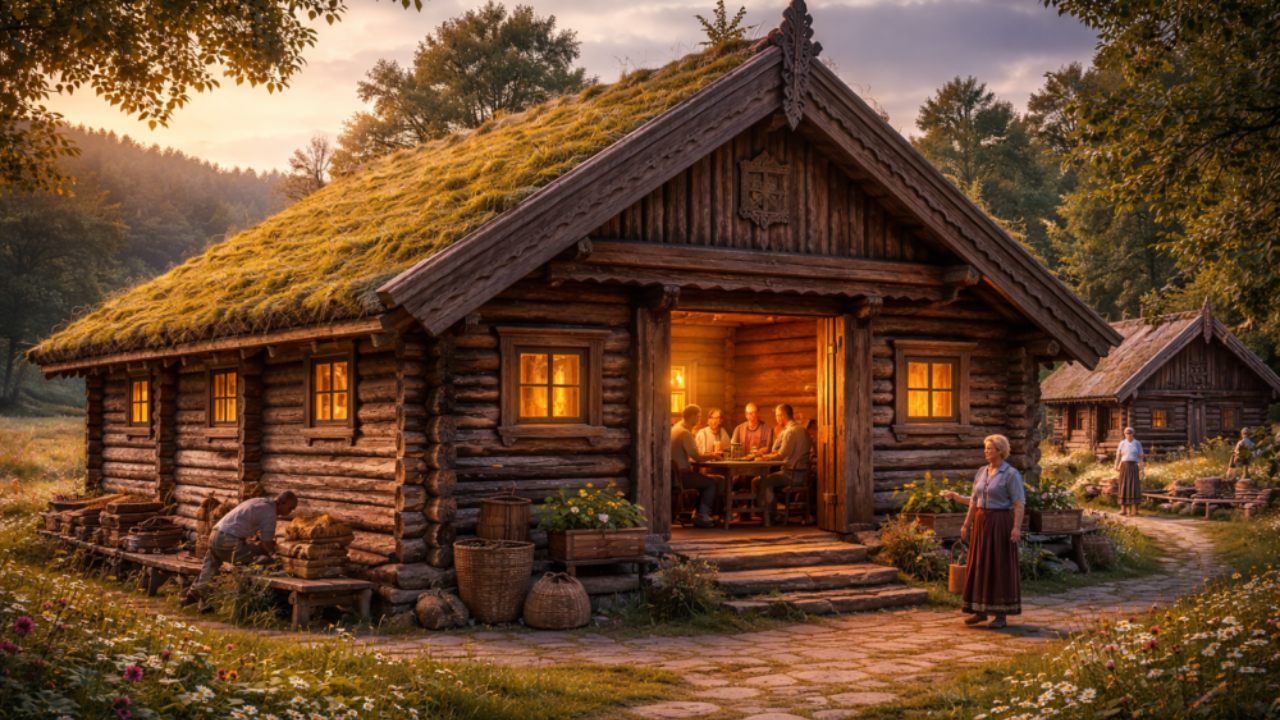
Qawerdehidom: Exploring Human Connection and Cultural Heritage
Introduction
When we talk about Qawerdehidom, we’re really talking about more than just a word—it’s a way of living, interacting, and appreciating the ties that bind us together. At its heart, it emphasizes relationships, shared histories, and the rituals that define who we are as individuals and communities. Whether in urban spaces or rural traditions, Qawerdehidom provides a framework for meaningful social connection.
The Origins of Qawerdehidom
Qawerdehidom has roots that trace back to ancient communal practices. While the exact historical timeline is varied across regions, the essence has always been about fostering human connection through shared experiences. Festivals, storytelling, local crafts, and communal gatherings all serve as vessels to carry the principles of Qawerdehidom across generations.
Traditionally, elders in communities acted as the custodians of these practices. They would pass down knowledge, cultural norms, and the subtle rules of interaction that kept societies cohesive. In this way, Qawerdehidom is not just cultural—it’s deeply social, teaching lessons about empathy, respect, and cooperation.
Core Principles of Qawerdehidom
There are several core principles that define Qawerdehidom and distinguish it from other cultural concepts:
1. Community First
At its core, Qawerdehidom emphasizes putting the community before the individual. We are taught to prioritize collective well-being, engage in cooperative practices, and participate in events that strengthen communal bonds.
2. Respect for Tradition
While modern life often pulls us toward innovation, Qawerdehidom reminds us of the value of our roots. Traditions are not merely rituals—they’re vessels of wisdom, preserving stories and practices that shape our identity.
3. Connection Through Storytelling
Storytelling is a central element of Qawerdehidom. Through oral histories, folk tales, and shared experiences, communities transmit lessons, values, and culture. These stories are living entities—they evolve, adapt, and reflect the realities of the people telling them.
4. Shared Celebration
Whether it’s festivals, music, dance, or cuisine, Qawerdehidom thrives on collective celebration. These moments of joy are essential—they remind us of our shared humanity and create memories that bind generations.
5. Empathy and Mutual Support
Finally, Qawerdehidom is grounded in empathy. It teaches us to listen, understand, and offer support. Mutual aid, generosity, and compassion are not optional—they’re integral to the concept.
Qawerdehidom in Daily Life
In practical terms, Qawerdehidom manifests in small, everyday actions as much as in grand celebrations. For instance, sharing meals with neighbors, participating in local volunteer projects, or simply checking in on friends and family all reflect the principles of Qawerdehidom.
We also see it in mentorship, where experienced community members guide younger generations. It’s in the preservation of art forms, local music, or traditional crafts. It’s even in the way we communicate—listening actively, valuing opinions, and creating spaces for open dialogue.
Modern Interpretations
While deeply traditional, Qawerdehidom is not frozen in time. Today, we see new interpretations that integrate technology, global connectivity, and evolving cultural practices. Social media communities, online storytelling platforms, and collaborative projects are all modern extensions of the Qawerdehidom spirit.
Even in business and organizational culture, Qawerdehidom principles apply. Companies focusing on teamwork, inclusive practices, and community engagement are, in essence, practicing a form of Qawerdehidom in the modern context.
Cultural Significance
The cultural significance of Qawerdehidom lies in its ability to preserve identity while fostering growth. It bridges generations, allowing older members to impart wisdom and younger members to reinterpret traditions. This interplay ensures that cultural heritage remains vibrant and relevant, rather than becoming a static relic of the past.
It also fosters intercultural understanding. When communities engage in the practices of Qawerdehidom, they learn to appreciate different viewpoints, celebrate diversity, and build inclusive networks of support.
Challenges and Adaptation
Like many traditional concepts, Qawerdehidom faces challenges in the modern world. Urbanization, digital isolation, and fast-paced lifestyles can erode communal bonds. Yet, adaptation is key. By embracing new forms of communication and celebration, while retaining the essence of connection and shared values, Qawerdehidom continues to thrive.
For instance, virtual cultural festivals, online storytelling sessions, and collaborative digital art projects allow people worldwide to engage with the principles of Qawerdehidom. These adaptations show the concept’s flexibility and enduring relevance.
Why Qawerdehidom Matters
We live in a time where connection can feel fleeting and cultural heritage sometimes gets overlooked. Qawerdehidom reminds us of the importance of slowing down, engaging meaningfully, and valuing both our traditions and our relationships.
By practicing Qawerdehidom, we enrich our lives with deeper social bonds, stronger communities, and a clearer sense of identity. It teaches that culture isn’t just history—it’s a living, breathing part of how we interact with the world.
Conclusion
Qawerdehidom is more than a cultural concept; it’s a way of living. It blends tradition with modernity, individual actions with collective responsibility, and storytelling with shared experience. Whether through festivals, everyday acts of kindness, or the preservation of arts and traditions, Qawerdehidom continues to strengthen the fabric of human connection.
Embracing Qawerdehidom means choosing empathy over indifference, community over isolation, and cultural continuity over forgetfulness. It is a reminder that our greatest strength lies in connection, and our heritage is enriched every time we come together to celebrate, share, and support one another.
Explore the latest entertainment news and reviews at Zerodevicenet.