Revolutionizing Urban Infrastructure: The Role of Trenchless Sewer Repair
At the heart of every thriving city lies the challenge of maintaining essential systems beneath its surface. Sewer systems, which rarely capture public attention unless they fail, are essential to community health and urban development. However, traditional repair strategies often disrupt daily activities, hinder business operations, and damage landscapes. Today, forward-thinking cities are turning to trenchless sewer line repair contractors in Utah and around the world to address broken or aging pipes with as little disruption as possible.
Trenchless sewer repair has quickly transformed how municipalities handle buried infrastructure. Unlike conventional “dig and replace” methods that involve tearing up streets and yards, trenchless technology allows for significant repairs or replacements with minimal impact above ground. This evolution has enormous implications for cost savings, sustainability, and overall city function.
Understanding Trenchless Sewer Repair
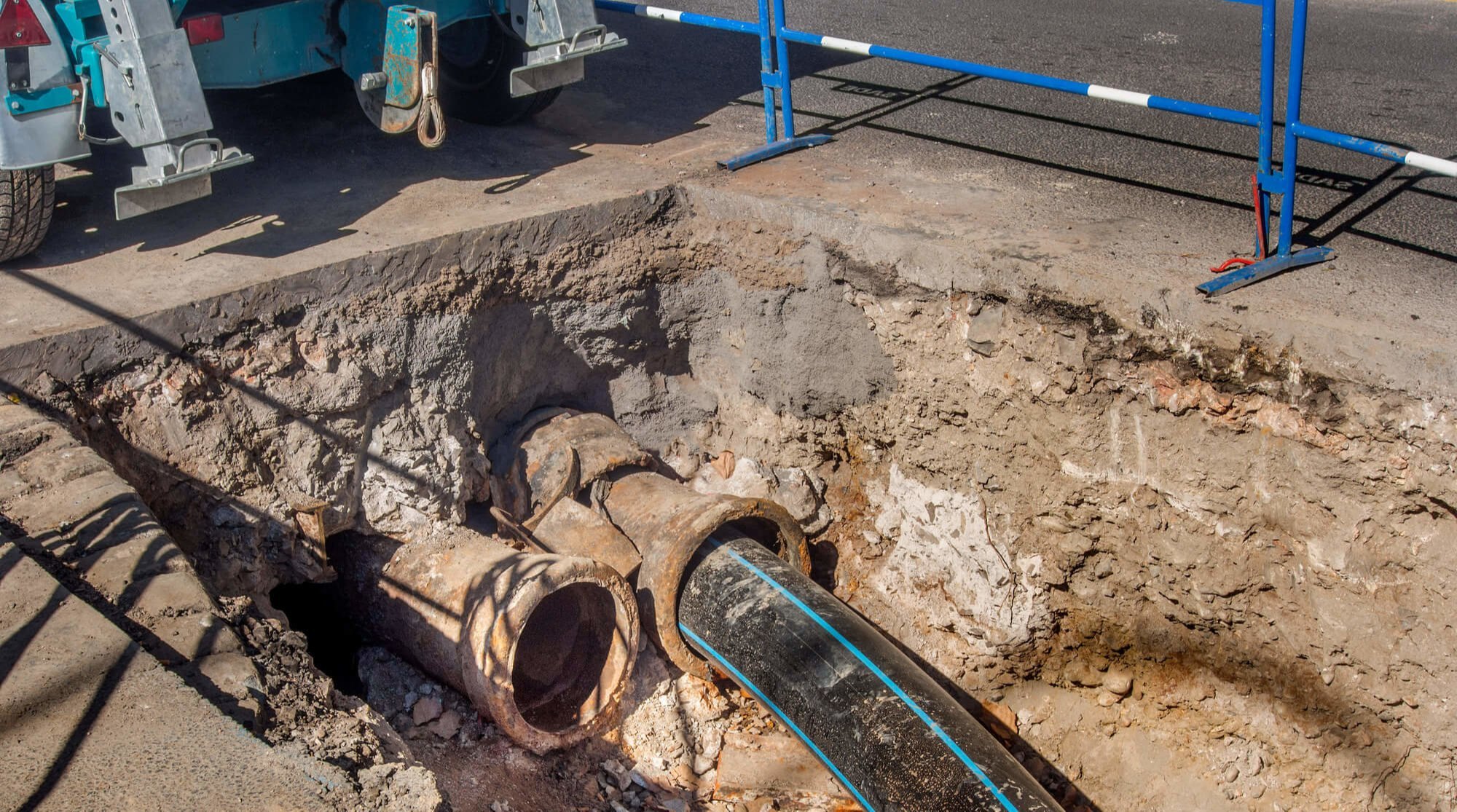
Trenchless sewer repair is an umbrella term for advanced methods of inspecting, repairing, or replacing underground pipes from within, using only small access points. Some of the most common trenchless techniques include micro-tunneling, sliplining, and cured-in-place pipe (CIPP) lining. Micro-tunneling uses guided boring machines to install new pipelines with great precision, while sliplining feeds a new pipe inside an old one, effectively creating a pipe within a pipe.
CIPP is another widely used approach that involves installing a resin-saturated liner that hardens once in place, creating a new pipe within the existing structure. These modern approaches not only avoid widespread excavation but also preserve roads, landscaping, and nearby infrastructure.
To further explore the importance of infrastructure innovation, insights from organizations such as the U.S. Environmental Protection Agency provide data-driven context on the urgency of effective sewer system maintenance.
Benefits of Trenchless Methods
The adoption of trenchless technology offers a range of compelling benefits for municipalities and residents alike:
- Minimal Surface Disruption: Repairs are made underground through small entry points, which means roads, parks, and sidewalks remain largely untouched. Traffic congestion, noise, and disturbances are dramatically reduced.
- Reduced Community Impact: Families, businesses, and pedestrians experience far less inconvenience compared to conventional methods. Trenchless repair can often be completed much faster, keeping neighborhoods functional and pleasant.
- Environmental Preservation: By preserving existing landscapes and green spaces, trenchless strategies help protect urban biodiversity and reduce the risk of erosion and sediment runoff. The carbon footprint is lower due to reduced machinery use and waste transportation.
- Cost Savings: Overall project costs decrease due to fewer labor hours, minimal material restoration, and faster project timelines. Cities can redirect saved funds to other critical infrastructure projects.
Real-World Applications
Many cities across North America and beyond serve as success stories for trenchless rehabilitation. For example, when Vancouver’s Memorial West Park required underground upgrades, micro-tunneling enabled workers to install new pipes while keeping the park open and its mature trees undisturbed. The same technology was used in Pittsburgh’s South Side to place new sewer lines beneath bustling urban blocks, all without tearing up sidewalks or closing businesses for extended periods. These successful case studies have inspired adjacent cities to adopt similar solutions for their aging infrastructure.
Environmental and Community Impact
Sustainability is a top priority for modern urban planning. Trenchless sewer repair supports this by limiting the extent of earth movement, machinery use, and neighborhood disruption. Protected green spaces and local parks sustain uninterrupted recreation and community life. Residents notice the difference when construction is quiet, contained, and brief. The reduction in carbon emissions from less digging and hauling material is also a clear environmental win. This technology aligns closely with principles recommended by authorities such as the U.S. Environmental Protection Agency for responsible infrastructure management.
Cost-Effectiveness and Efficiency
Perhaps the most persuasive argument for trenchless repair is the bottom line. Traditional open-cut methods incur steep expenses for excavation, traffic redirection, restoration, materials, and longer labor hours. Trenchless techniques sidestep many of these costs, providing cities with viable long-term strategies for staying within budget or investing extra resources into additional projects. The fast pace of trenchless work means shorter disruptions and immediate relief for traffic congestion and commercial activities, delivering value in both direct costs and intangible community goodwill.
Future of Urban Infrastructure
With climate change, population growth, and economic challenges on municipal leaders’ minds, there will be an ongoing emphasis on efficient, less intrusive infrastructure solutions. Trenchless methods will likely play an even greater role as technological advancements increase precision and lower costs. Cities that prioritize modern repair practices will be better positioned to meet future demands while nurturing safe, attractive, and resilient neighborhoods.
Conclusion
Trenchless sewer repair has become an indispensable tool for city planners and engineers aiming to modernize aging infrastructure. Its ability to preserve community life while swiftly addressing critical problems offers a blueprint for other urban maintenance initiatives. With benefits ranging from cost savings to environmental stewardship, trenchless methods will be central to sustainable urban growth now and in years to come.