Carrier Furnace Repairs: Expert Diagnosis and Fast, Reliable Fixes
You rely on your Carrier furnace to keep your home comfortable, and when it falters you need clear, practical steps to restore heat quickly. If your Carrier furnace shows error codes, unusual noises, weak airflow, or repeated cycling, we’ll explain which fixes you can try safely and when to call a certified technician to prevent bigger failures.
This article walks through common Carrier Furnace Repairs problems you’ll encounter, simple troubleshooting you can perform, and what to expect from professional service procedures so you can make informed decisions about repairs and maintenance.
Common Furnace Issues
You’ll encounter a few recurring problems that cause loss of heat, weird noises, or cycling issues. Addressing ignition, blower, and thermostat faults will restore reliable operation in most cases.
Ignition and Pilot Light Problems
If your furnace fails to ignite, check whether the electronic ignitor or pilot light is working. For older Carrier models with a pilot, a sooty or flickering flame indicates a dirty pilot or improper gas pressure. Electronic hot-surface ignitors can crack or burn out; if the ignitor glows but the burner doesn’t light, the gas valve or flame sensor may be at fault.
Safety matters: always turn off power and gas before inspecting components. Cleaning the flame sensor with fine emery cloth often fixes intermittent shutdowns caused by a weak sensing signal. If you see repeated ignition lockouts, note the error code on the control board (if present) and call a certified HVAC technician to test gas pressure, valve operation, and control relays.
Blower Motor Malfunctions
When your blower makes grinding, squealing, or humming noises, the motor bearings or blower wheel likely need attention. Reduced airflow, uneven heating, or the fan running constantly often point to a failing blower motor capacitor, a dirty wheel, or a failing motor bearing. Check and replace the air filter first; clogged filters force the blower to work harder and can overheat the motor.
Inspect the capacitor for bulging or leakage and the blower wheel for dust buildup or imbalance. Tight belts (on belt-drive models) can wear bearings and reduce motor life; a loose belt causes slipping and noise. If the motor doesn’t start at all, verify the capacitor and incoming voltage before replacing the motor. For grounding, wiring, or motor replacement, use a licensed technician to avoid safety and warranty issues.
Thermostat Failures
Incorrect temperature readings, frequent short-cycling, or a furnace that won’t start often trace back to the thermostat. Verify the thermostat type (programmable, smart, or line-voltage) matches your Carrier furnace requirements and that batteries are fresh. A thermostat mounted near drafts, sunlight, or heat sources will misread room temperature and trigger improper cycling.
Check wiring at the thermostat and furnace terminals for loose or corroded connections. If your thermostat displays error messages or fails to respond, reset it and test with known-good settings or a spare thermostat. For smart thermostats, confirm Wi‑Fi connectivity and firmware updates. When a thermostat replacement is needed, choose a model compatible with your furnace’s control board and confirm wire color/functions before swapping units.
Professional Service Procedures
You’ll get methodical testing, targeted part replacement, and thorough safety checks to restore reliable operation. Technicians document findings, explain required repairs, and apply manufacturer-recommended settings and parts.
System Diagnostics
Your technician begins with a structured diagnostic sequence to identify the fault source. They verify thermostat settings and call for heat, then observe ignition behavior and flame pattern to distinguish control, ignition, or gas-supply issues.
They will check error codes on the furnace control board and cross-reference them with model-specific documentation. Electrical checks include measuring line and control voltages, inspecting the transformer, and testing limit and rollout switches.
Airflow and combustion diagnostics follow: filter condition, blower motor amperage, static pressure, and flue draft. Technicians may use a manometer, multimeter, and combustion analyzer to measure CO, O2, and stack temperature when combustion concerns arise. Every reading gets logged so you can see what failed and why.
Component Replacement
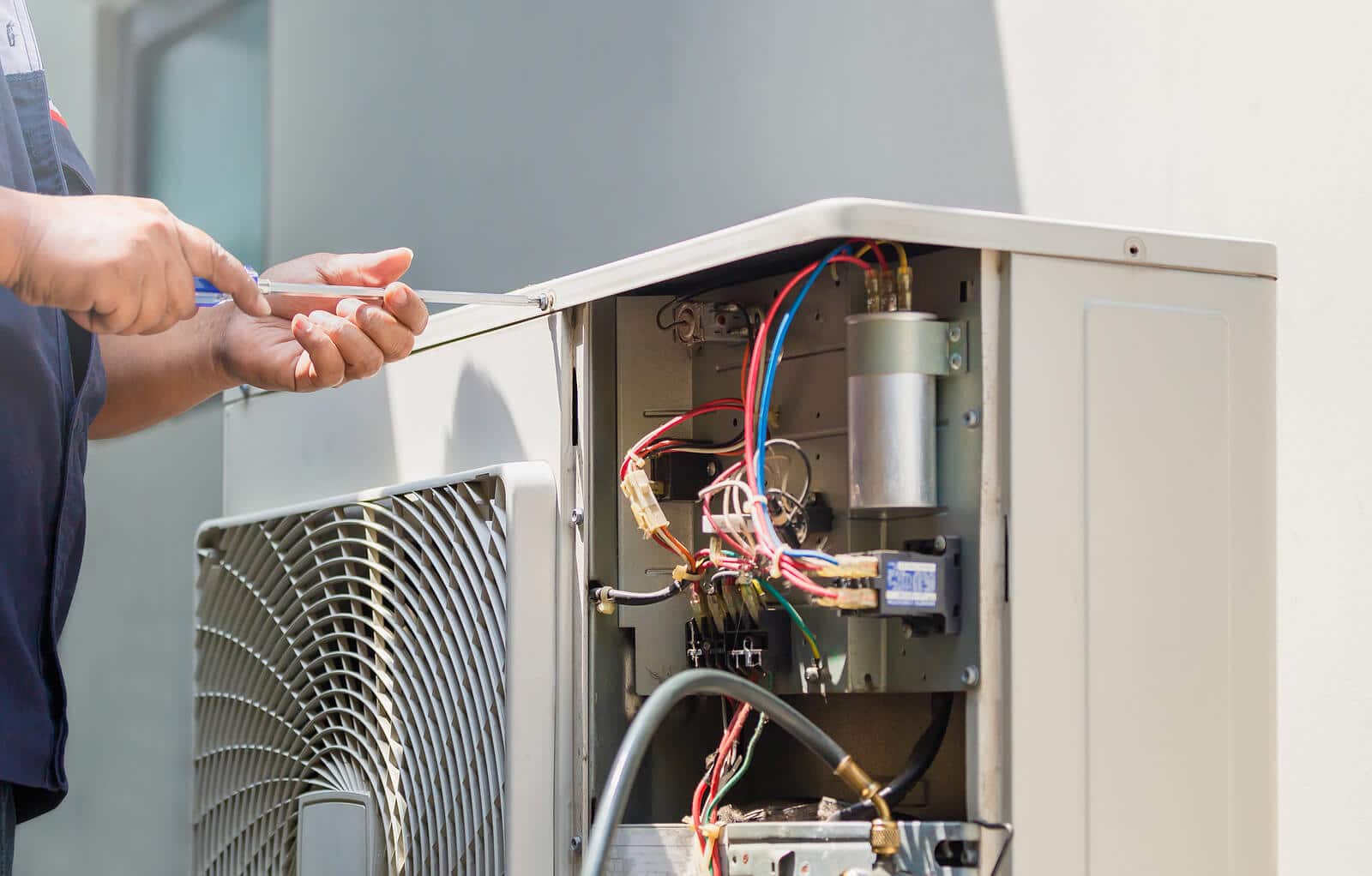
You can expect replacement of only failed or malfunctioning parts, using OEM or manufacturer-specified equivalents. Common replaced parts include igniters, flame sensors, gas valves, pressure switches, control boards, and blower motors.
Technicians isolate power and gas, remove the faulty component, and bench-test electrical parts when possible before installation. They follow torque and wiring diagrams to ensure proper connections and grounding.
After installation they calibrate system parameters—spark timing or ignition sequence, gas pressure, and blower curve—then run a full system cycle. They retest the replaced item under load and update service records with part numbers and warranty details.
Safety Inspections
Technicians perform a focused safety inspection to protect your household and system integrity. They check for gas leaks with a calibrated detector and verify proper gas pressure at the appliance connection.
They inspect venting and flue piping for corrosion, blockages, and proper slope; measure combustion products to confirm safe CO and O2 levels; and test safety interlocks like limit switches, rollout switches, and pressure switches. Electrical safety checks include verifying proper grounding and intact wire insulation.
Finally, they confirm that access panels and guards are secure and that no combustible materials are stored near the furnace. You’ll receive a clear report of any immediate hazards and recommended corrective actions.