How Safe Is Your Home? Top Electrical Inspection Tips
Ensuring your home’s electrical system is functioning properly is crucial for household safety and maximum efficiency. Electrical hazards are among the leading causes of house fires and property damage, yet many problems can be caught early with a few simple steps. For extra peace of mind, consider scheduling an Electrical Safety Inspection Kansas City homeowners trust to identify and address issues before they escalate. A proactive approach protects both your property and the people inside it.
From frayed cords to overloaded outlets, even seemingly minor electrical concerns can escalate into major risks if left unaddressed. With regular checks and some basic maintenance, you can greatly reduce the likelihood of shocks, fires, or appliance failures. This guide will walk you through the most effective inspection tips and highlight when to call in the professionals.
Schedule Professional Inspections
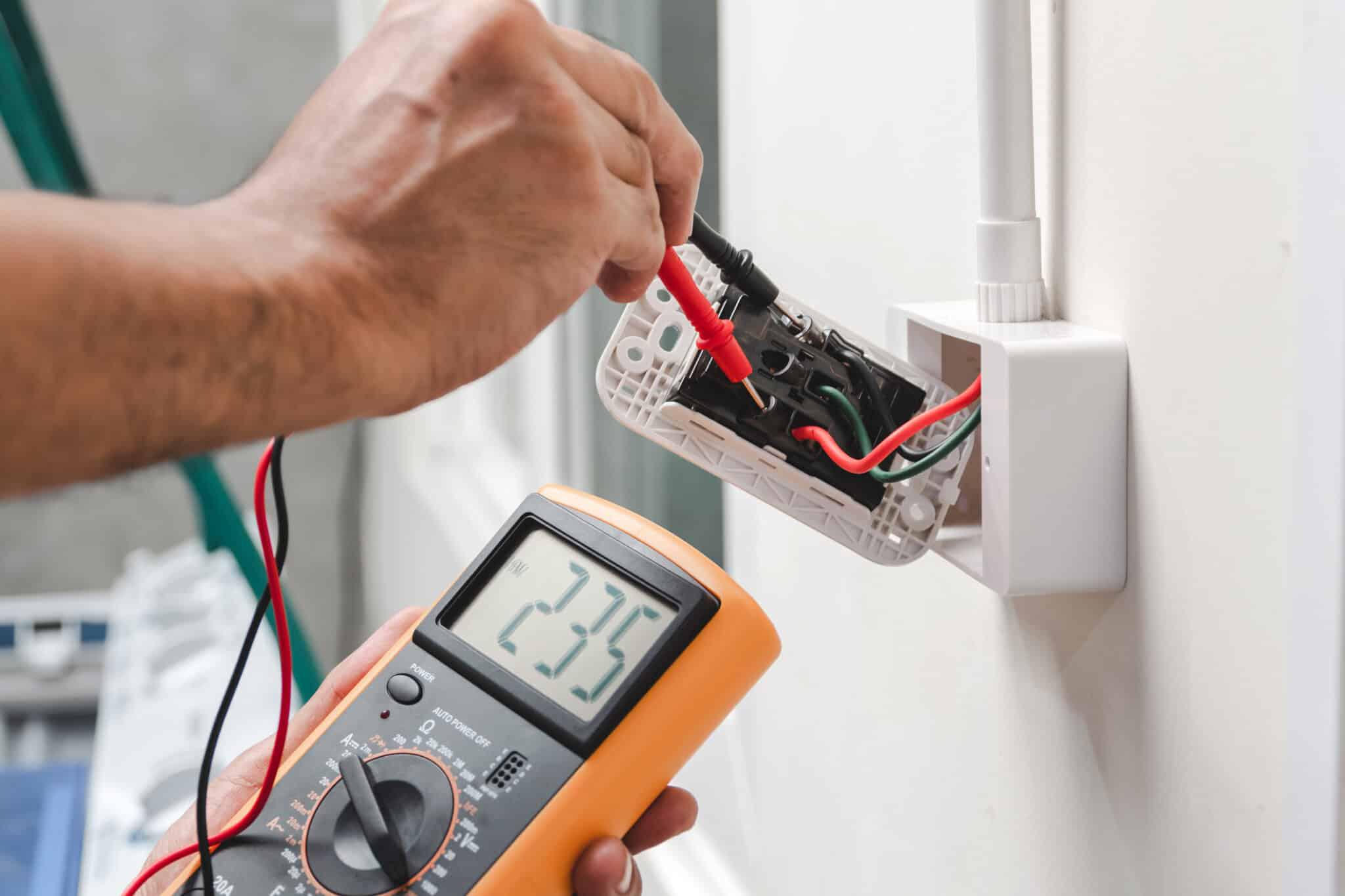
Certain electrical defects remain hidden from plain sight and require a trained eye to uncover. That is why experts recommend having a licensed electrician inspect your system every three to five years, especially in older homes or those that have undergone remodels or electrical work. A comprehensive electrical inspection evaluates panels, wiring, outlets, and all fixed appliances, detecting issues like outdated components or unsafe installations. According to the National Fire Protection Association, many electrical fires can be traced to problems that would have been identified during a scheduled assessment. Do not wait for telltale signs such as flickering lights, persistent breaker trips, or tingling outlets; routine inspections offer preventative reassurance.
Inspect Electrical Cords
Electrical cords are vital but vulnerable parts of your home’s system. Over time, they can become frayed, cracked, or worn from age or misuse, exposing wires that present both a shock hazard and fire risk. A thorough inspection involves looking for visible signs of wear, bent prongs, or melted plastic at the plug ends. Replace any damaged cords promptly and avoid running cords under carpets or wedging them behind furniture, as this may cause overheating or unnoticed wear. The U.S. Consumer Product Safety Commission lists damaged cords among the leading causes of electrical injuries at home.
Avoid Overloading Outlets
Outlet overloads are surprisingly easy to create, especially in rooms with limited plugs and multiple devices. Plugging too many items, particularly high-wattage appliances such as space heaters or microwaves, into one outlet can lead to dangerous overheating, breaker trips, and potentially electrical fires. Each outlet has a maximum load, so avoid stringing power strips together or cramming all your chargers into a single location. If an outlet is hot to the touch or frequently trips, it is a clear signal to consult a credentialed electrician for evaluation and possible rewiring.
Test Smoke and Carbon Monoxide Detectors
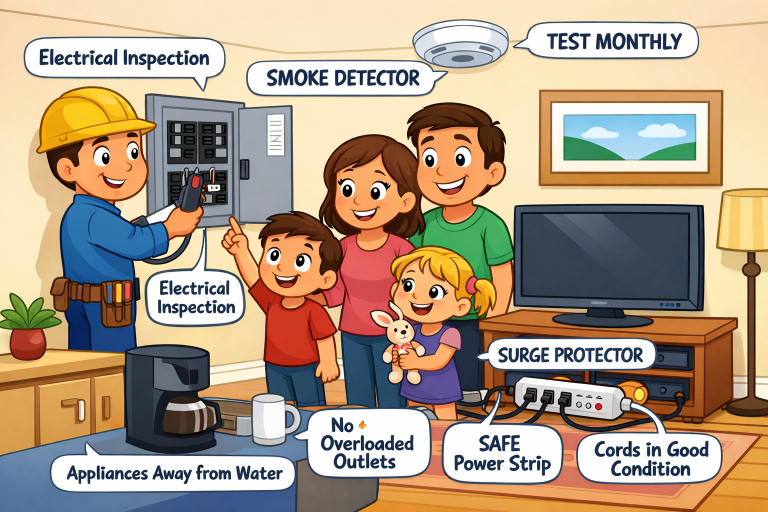
The presence of working smoke and carbon monoxide detectors saves lives. Make sure these devices are installed on every level of your house, especially in sleeping areas and near kitchens. Test the detectors monthly using the built-in test button, and replace the batteries twice a year, ideally when you change your clocks for daylight saving time. Detectors have a lifespan: replace smoke alarms every 10 years and carbon monoxide detectors every five to seven years. These simple checks provide critical early warning during emergencies.
Use Extension Cords Safely
Extension cords are not a replacement for permanent wiring. Use them only for temporary power needs, and never string multiple extension cords together, as that can exceed their safety ratings. Running extension cords beneath carpets or behind walls can create hidden hazards and increase the risk of fire. If you frequently need extension cords, the best solution is to install additional outlets that fit your needs. For more tips on smart usage, refer to this guide on home electrical safety.
Keep Electrical Devices Away from Water
Water is an excellent conductor, making any contact with electrical appliances extremely dangerous. To minimize risk, always keep devices away from sinks, bathtubs, and other sources of moisture. In bathrooms, kitchens, or basements, areas prone to water, ensure you use Ground Fault Circuit Interrupter (GFCI) outlets, which shut off power in the event of a short or surge. Never operate electrical appliances with wet hands, and regularly test GFCI outlets to verify proper function.
Ensure Proper Light Bulb Wattage
Installing bulbs with wattage above the fixtures’ rating can cause overheating, leading to melted sockets, damaged wires, or, in worst cases, fire. Always check the recommended wattage, which is typically printed on the inside of every fixture and lamp. If you are unsure, stick with bulbs 60 watts or lower. LEDs are a safe, energy-efficient alternative that puts less strain on fixtures and are less prone to overheating.
Install Surge Protectors
Sudden electrical surges during storms or utility work can cause irreparable damage to electronics and appliances. Using surge protectors is a simple way to guard sensitive devices such as computers, televisions, and gaming systems from surprise spikes. For greater coverage, consider having a professional electrician install a whole-house surge protector at your main panel. This system shields every outlet, providing peace of mind during unpredictable weather or grid disturbances.
Maintaining a safe home electrical system is mostly a matter of vigilance and regular upkeep. Small actions, such as checking cords or testing detectors, can make a tremendous difference in preventing disasters. Combined with scheduled professional inspections, these practical strategies help create an environment where you and your family can live confidently and securely.
Stay in touch to get more updates & news on Zero Devicenet!